ASSESSMENT
Understanding the condition.
Clinical history and examination help establish the nature, severity and functional effect of the problem.
Dr. Raymond Joseph Malinga provides specialist orthopaedic and surgical care for conditions affecting bones, joints, movement and musculoskeletal function.
His clinical work brings together assessment, diagnostic interpretation, treatment planning, trauma management and surgical decision-making within an individualised care pathway.
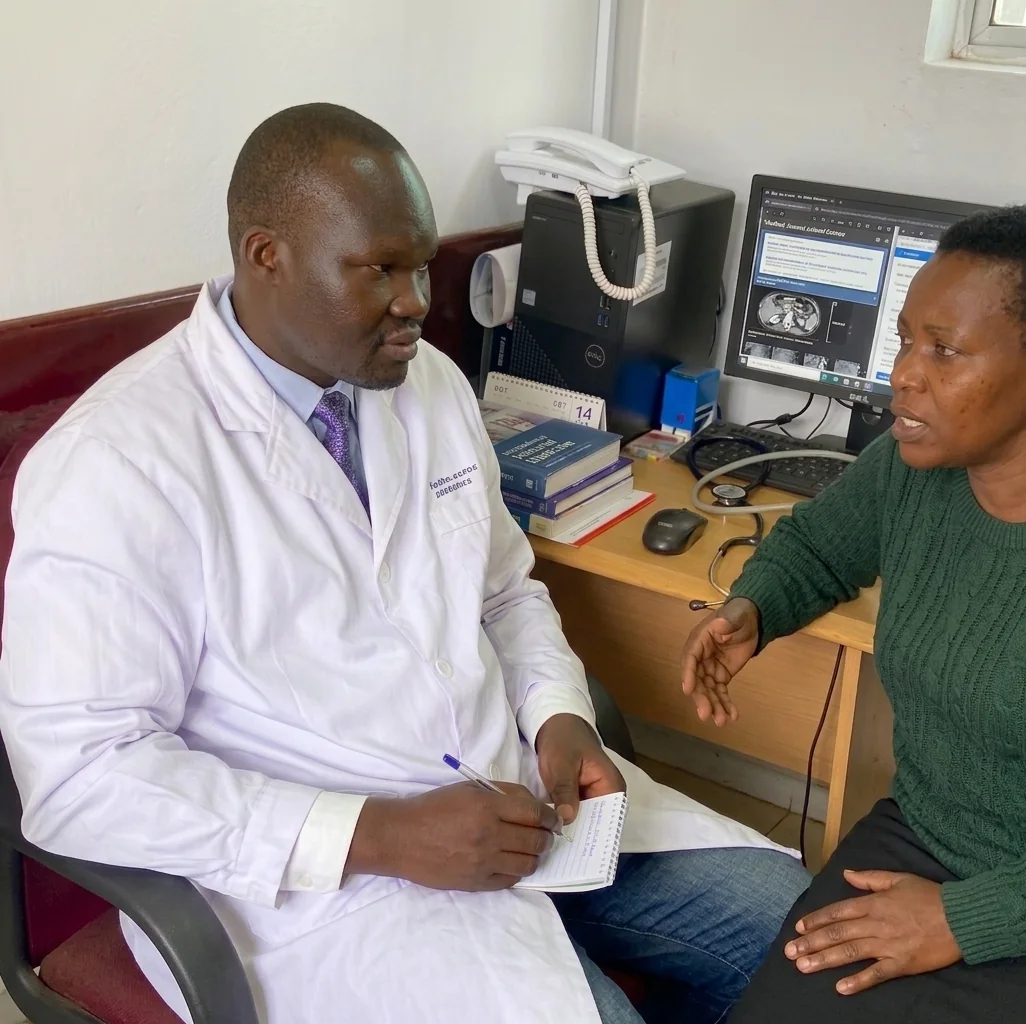
Orthopaedic care begins by understanding the patient’s symptoms, clinical history, functional limitations and the nature of the underlying condition.
Clinical examination and appropriate diagnostic information help clarify the problem before treatment options are considered. The aim is to select a pathway that reflects the diagnosis, severity, functional impact and individual needs of the patient.
ASSESSMENT
Clinical history and examination help establish the nature, severity and functional effect of the problem.
INVESTIGATION
Imaging and other investigations may support diagnosis and help guide treatment planning.
PLANNING
Treatment options are considered in relation to clinical findings, function and individual patient circumstances.
Dr. Malinga’s expertise spans clinical assessment, trauma and fracture care, joint and bone conditions and specialist surgical consultation.
Specialist evaluation of conditions affecting bones, joints, movement and function.
Assessment, stabilisation, treatment planning, surgical consideration and recovery.
Assessment of pain, stiffness, swelling, reduced movement and functional limitation.
Clinical assessment, diagnostic review, treatment options and surgical decision-making.
Orthopaedic treatment is not determined by imaging or diagnosis alone. Clinical decisions consider symptoms, examination findings, function, expected benefit, potential risk and the circumstances of the individual patient.
CLINICAL EVIDENCE
History, examination and investigations are considered together to establish a clinically meaningful picture.
PROPORTIONATE CARE
The appropriate pathway may include observation, rehabilitation, procedural treatment or surgery according to need.
INDIVIDUAL NEED
Clinical decisions consider how the condition affects mobility, independence, activity and quality of life.
Orthopaedic expertise involves more than identifying a diagnosis. It includes understanding what the condition means for the patient and determining how care should progress over time.
Depending on the clinical situation, care may involve diagnostic review, non-operative management, fracture treatment, procedural intervention, surgery, rehabilitation or continued follow-up.
Orthopaedic assessment may be appropriate when pain, injury, stiffness, swelling, instability, weakness or reduced mobility persists or significantly affects everyday activity.
A clinical consultation helps clarify the problem and determine whether further investigation, treatment, rehabilitation or surgical evaluation may be appropriate.
Contact Dr. MalingaNEED SPECIALIST GUIDANCE?