Musculoskeletal care focused on movement and function.
Specialist assessment and management of conditions affecting bones, joints, muscles and the structures that support movement.
General orthopaedic practice sits at the centre of Dr. Malinga's work — the foundation for his sub-specialist interests in paediatric and spine surgery.
Effective treatment begins with an accurate diagnosis.
Many musculoskeletal problems look alike at first. Careful assessment separates them.
Assessment brings together the history, examination and appropriate imaging to establish what is wrong, how severe it is and how it affects the patient's life.
How it started
Onset, duration, injuries, previous treatment and how symptoms affect daily activities.
What the body shows
Movement, stability, deformity, strength and nerve function.
What the images confirm
X-rays and other imaging where needed to confirm the diagnosis and guide treatment.
Conditions commonly assessed and treated.
Orthopaedic care covers a broad range of problems, including:
Bone and joint infections
Infections of bone (osteomyelitis) and joints, which need early recognition and treatment to protect function.
Deformities
Limb and joint deformities, whether present from birth, developing in childhood or following injury.
Bone tumours and swellings
Assessment of bone lesions, with treatment or onward referral as appropriate.
After-effects of injury
Problems such as poorly healed fractures, stiffness or instability following earlier injuries.
Pain affecting movement
Persistent musculoskeletal pain that limits walking, work or daily activities.
Treatment matched to the condition and the person.
Not every orthopaedic problem needs an operation. Options are weighed openly with each patient.
Conservative care
Medicines, splints, casts, braces, activity changes and physiotherapy where appropriate.
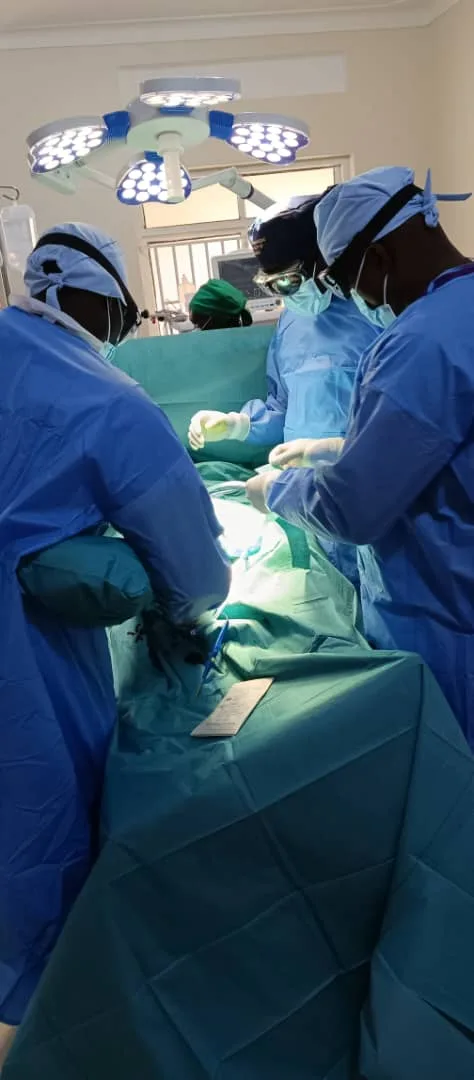
Surgery when indicated
Operative treatment where it offers a clearer path to function than non-operative care.
Rehabilitation
Follow-up and rehabilitation to restore strength, movement and independence.
Part of a wider orthopaedic pathway.
Conditions often overlap. These related areas may also be relevant.