Informed decisions about whether surgery is right.
Specialist evaluation for patients who have been advised to consider an operation — or who want to know whether one could help.
A surgical consultation is not a commitment to surgery. Its purpose is to give a clear opinion, explain the options and answer your questions.
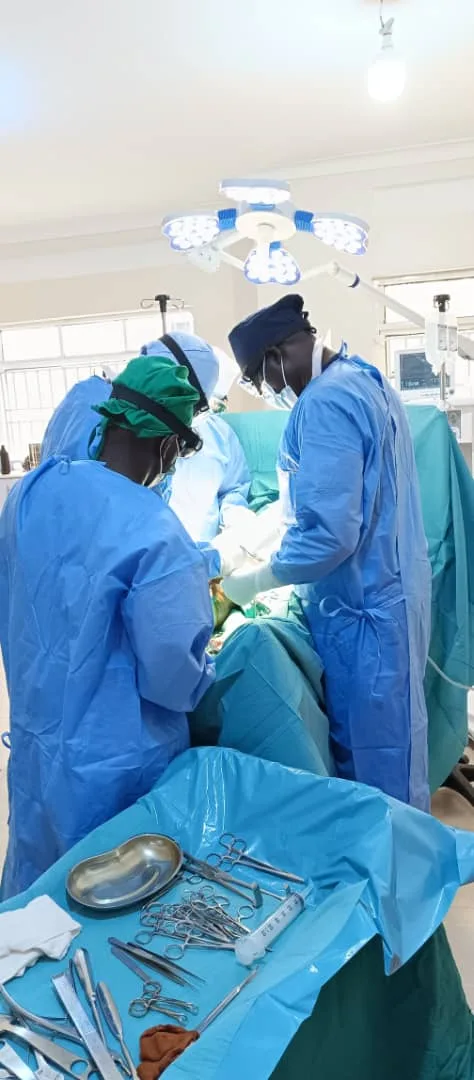
A good decision starts with the full picture.
Bring every X-ray, scan, report and referral letter you have — they make the consultation more useful.
The consultation reviews your history, examines the problem and looks at all available imaging before any recommendation is made.
Your records
Previous treatment, imaging and reports are reviewed.
Your condition now
A focused examination confirms the current findings.
A clear recommendation
An honest view on whether surgery is likely to help.
Questions a consultation should answer.
You should leave with clear answers to:
Is surgery necessary?
Whether an operation is needed now, may be needed later, or is not needed at all.
What are the alternatives?
Non-operative options and what they can realistically achieve.
What does the operation involve?
The procedure, anaesthesia, hospital stay and what happens on the day.
What are the risks and benefits?
The likely benefits and the possible risks and complications, explained plainly.
What does recovery look like?
Expected recovery time, rehabilitation and follow-up after surgery.
A second opinion is always welcome.
Patients advised to have major surgery — particularly spinal or paediatric surgery — often benefit from a second specialist opinion before deciding.
Understand the diagnosis
Confirm what the problem is and how serious it is.
Compare approaches
Hear the full range of treatment options.
Decide with confidence
Make an informed choice that fits your goals.
Part of a wider orthopaedic pathway.
Conditions often overlap. These related areas may also be relevant.