CLINICAL HISTORY
Understanding the problem and its progression.
Symptoms, previous treatment, functional limitations and the effect of the condition on everyday activities help provide clinical context.
Dr. Raymond Joseph Malinga provides specialist orthopaedic and surgical consultation for patients whose conditions may require consideration of operative treatment.
A surgical consultation does not automatically mean that surgery is required. It provides an opportunity to understand the condition, review relevant clinical findings and investigations, consider appropriate treatment options and determine whether operative management may form part of the care pathway.
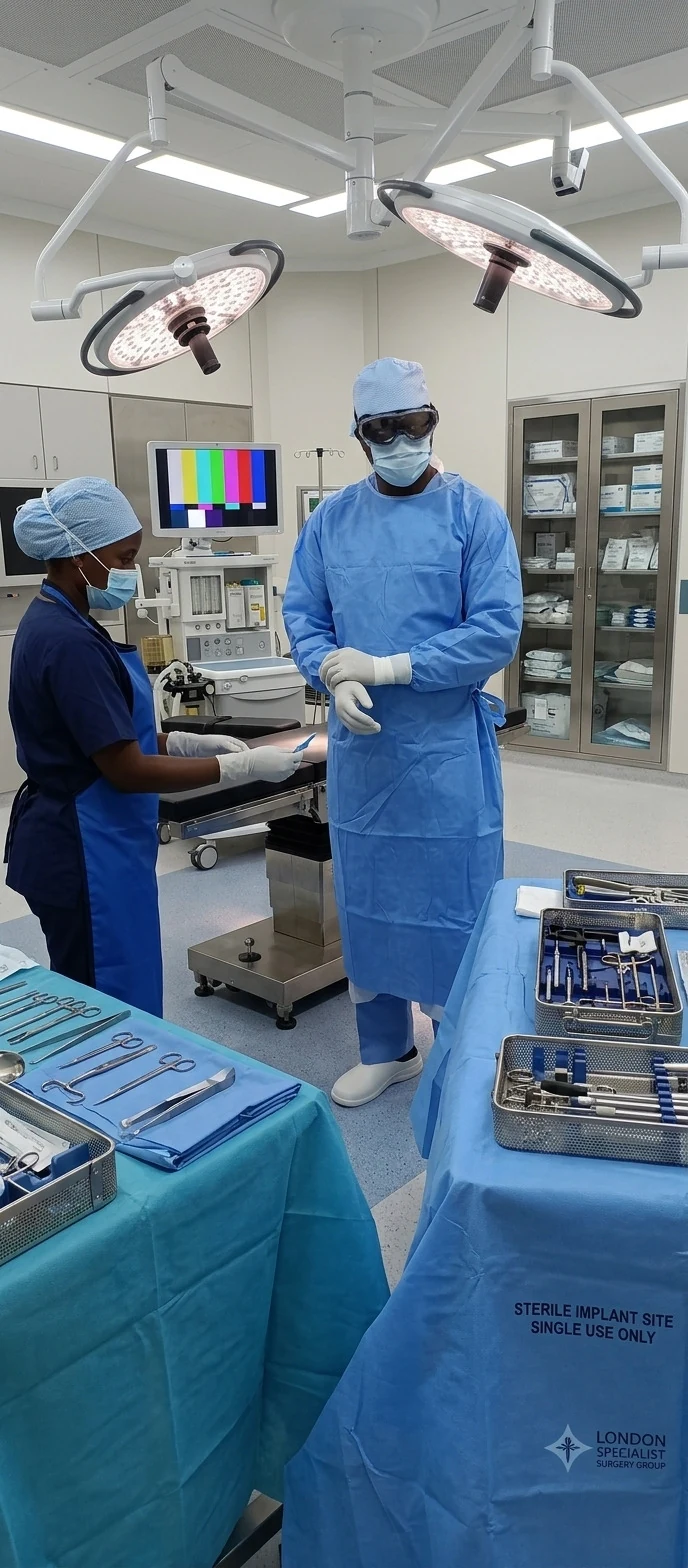
A surgical consultation brings together the patient’s symptoms, clinical examination, functional limitations, previous treatment and appropriate diagnostic information.
The purpose is to understand the nature and severity of the problem and determine whether continued non-operative treatment, further investigation, procedural care or surgery may represent the most appropriate next step.
CLINICAL HISTORY
Symptoms, previous treatment, functional limitations and the effect of the condition on everyday activities help provide clinical context.
EXAMINATION
Clinical examination helps clarify the physical findings and how they relate to pain, mobility, stability and function.
INVESTIGATION
Imaging and other investigations may support diagnosis, treatment planning and evaluation of possible surgical options.
Not every orthopaedic condition requires surgery.
Operative treatment may be considered when the nature of the condition, severity of symptoms, structural findings, functional impact, response to previous treatment and wider patient circumstances indicate that surgery may offer an appropriate option.
Surgical planning requires more than identifying a condition that can technically be operated on. The wider question is whether intervention is appropriate for the individual patient and whether its expected benefits justify the associated risks and recovery requirements.
INDICATION
Operative treatment should address a defined clinical problem where surgery may provide meaningful benefit.
BENEFIT & RISK
Discussion should include potential benefits, limitations, risks and alternative treatment pathways.
PATIENT CONTEXT
General health, function, expectations, rehabilitation needs and personal circumstances contribute to surgical decision-making.
When operative treatment is considered appropriate, the consultation should establish what the procedure is intended to achieve and what the patient can reasonably expect.
The surgical plan may include discussion of the procedure, anticipated recovery, rehabilitation, limitations, possible complications and the role of follow-up.
PROCEDURE
EXPECTATIONS
RECOVERY
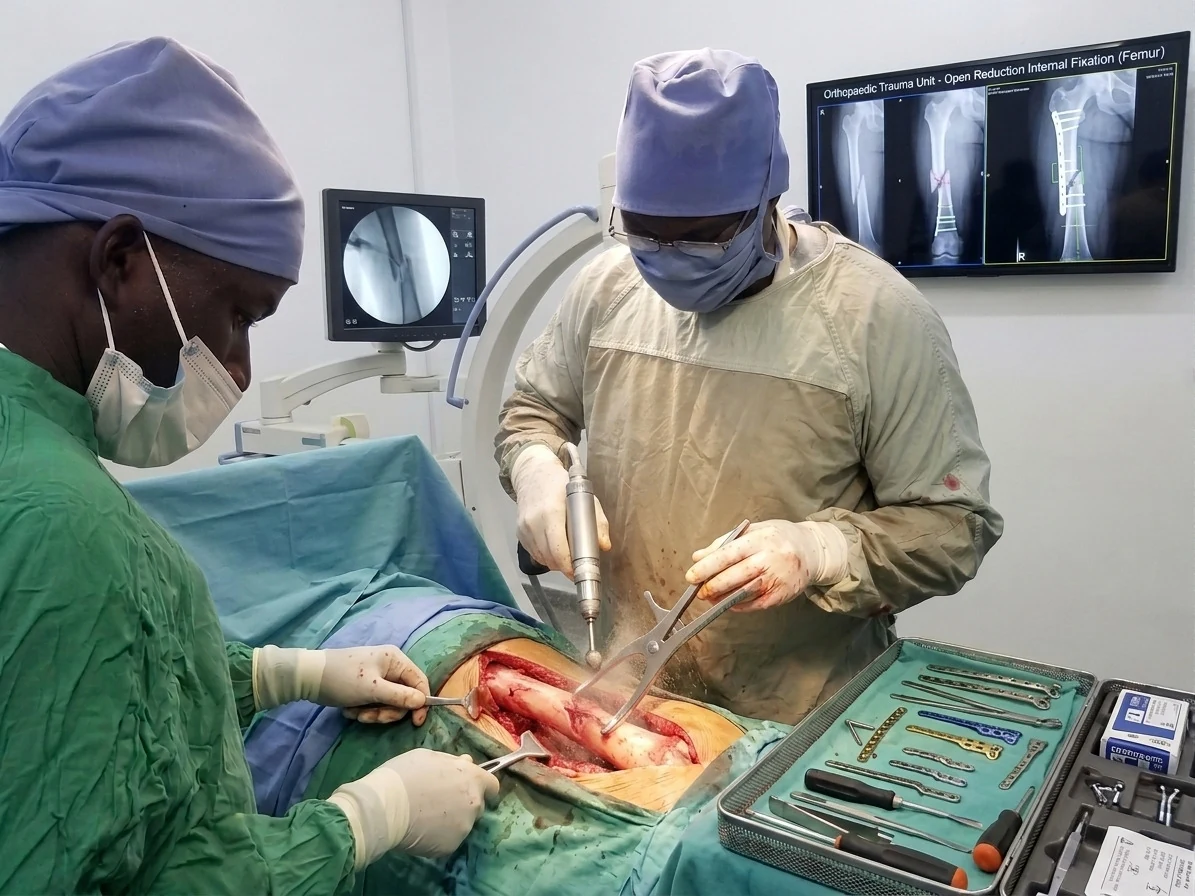
Successful surgical care includes preparation, the procedure, postoperative assessment, rehabilitation and appropriate follow-up.
Recovery varies according to the condition, procedure and individual patient. Ongoing review allows wound healing, pain, mobility, function and rehabilitation progress to be assessed while potential complications can be identified appropriately.
Evaluation for surgery may connect with general orthopaedic care, trauma management, joint and bone assessment and continued recovery planning.
NEED SPECIALIST GUIDANCE?